The Top Premium Smartphone Innovations of the Year

Written by Carlos Méndez
Senior Mobile Hardware Analyst • 10 Feb 2026
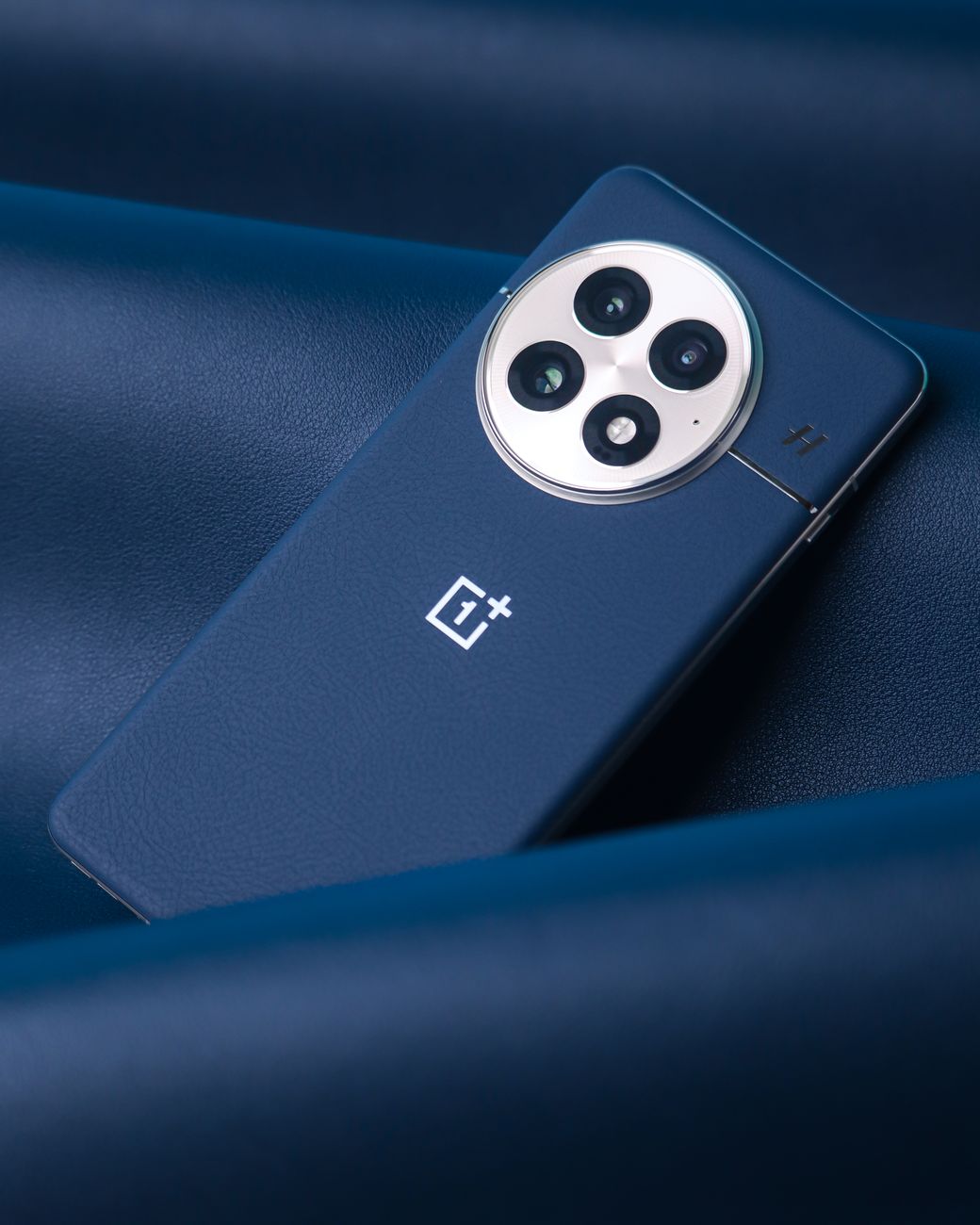
Mobile hardware is transitioning into a mature lifecycle where raw speed differences are less noticeable. Instead, manufacturers are investing in specialized image signal processors, on-device neural processing units (NPUs), and highly durable thermal dissipation architectures.
Efficiency Over Raw Megahertz
Historically, the mobile industry focused heavily on clock speed metrics. This approach often caused modern devices to throttle performance within minutes due to heat generation. The premium smartphones of 2026 emphasize asymmetric multi-core architectures that assign trivial processes to low-power cores, reserving performance-heavy segments for key tasks.
This efficiency focus results in an estimated 25% improvement in daily battery longevity, even when rendering dense applications.
Optical Breakthroughs: Beyond Megapixels
For modern corporate executives and digital specialists, camera quality is highly critical. Recent developments focus on larger physical sensors that capture high volumes of natural light without digital interpolation. When combined with local machine-learning chips, these optics reconstruct clean details in highly challenging lighting environments.
"The future of mobile computing relies entirely on smart silicon optimization, rather than simply putting larger batteries into fragile designs."
Understanding these advancements is crucial when budgeting corporate mobile hardware upgrades. Selecting devices with secure, dedicated security enclaves ensures that company communications remain fortified against remote hacking vectors.
Looking to deploy secure corporate devices?
Speak to our systems engineering desk to audit mobile device management software and hardware security features.
Consult Our Engineers